See what a finished Paloren build looks like
Three synthetic examples. One company.

Three synthetic examples. One company.
Paloren builds AI strategy, implementation, automation and training for teams that need systems people actually use. These synthetic demos show the shape of a finished build, not a client result.
Alder Service and Supply is a fictional business. Northstar Facilities is a fictional account inside the synthetic dataset. Paloren has no published client case studies, client results or client reviews.
Each demo is a static walkthrough that stays readable without JavaScript.
These are interactive, scripted demonstrations using the fictional, synthetic Alder Service and Supply business. Northstar Facilities is a fictional account within that dataset.
They are not live AI systems, client work or client results. No information you enter is needed, and no external action is taken.
See how an account answer cites records, withholds restricted history and flags conflicting policies.
Synthetic walkthrough ready. Follow the three steps to inspect the answer, the limits and the human handover.
A real project adds approved connections to your data, enforced permissions, testing against real exceptions, staff training, documentation and a named owner. This scripted demonstration does not test those production capabilities.
Follow a synthetic inquiry from a visitor question to a draft handover for a person.
Review a synthetic support request, a proposed investigation and a human approval boundary.
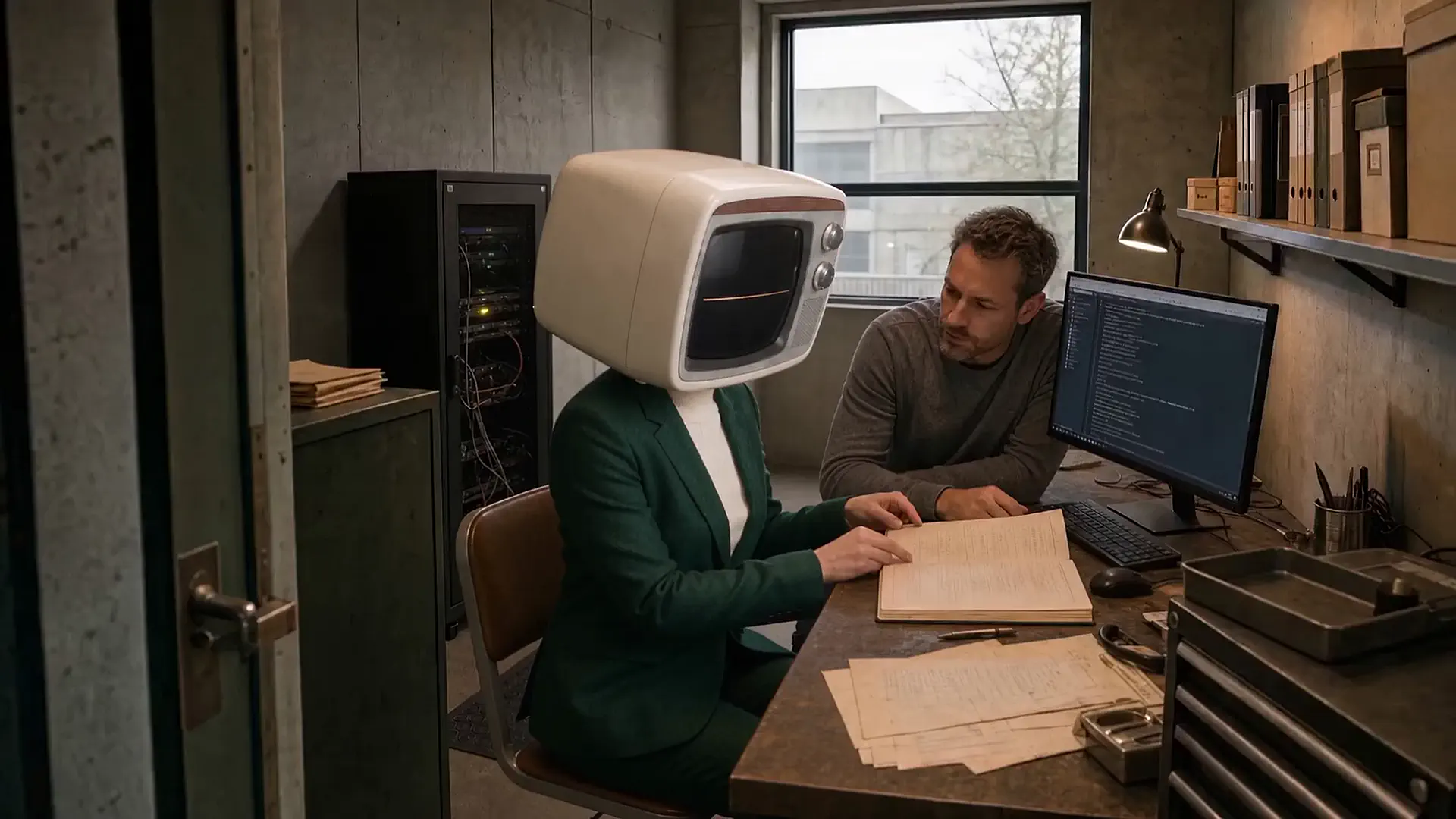
Illustrative example: the company brain answers one question using account records, support history and policy documents. The walkthrough shows what each role can see, how the system cites its sources and why two policy dates remain a flagged conflict.
Illustrative example, synthetic, not a client result. A follow-up draft is prepared from a stalled CRM deal, reviewed by a person, approved by the account owner, and recorded in the audit trail.
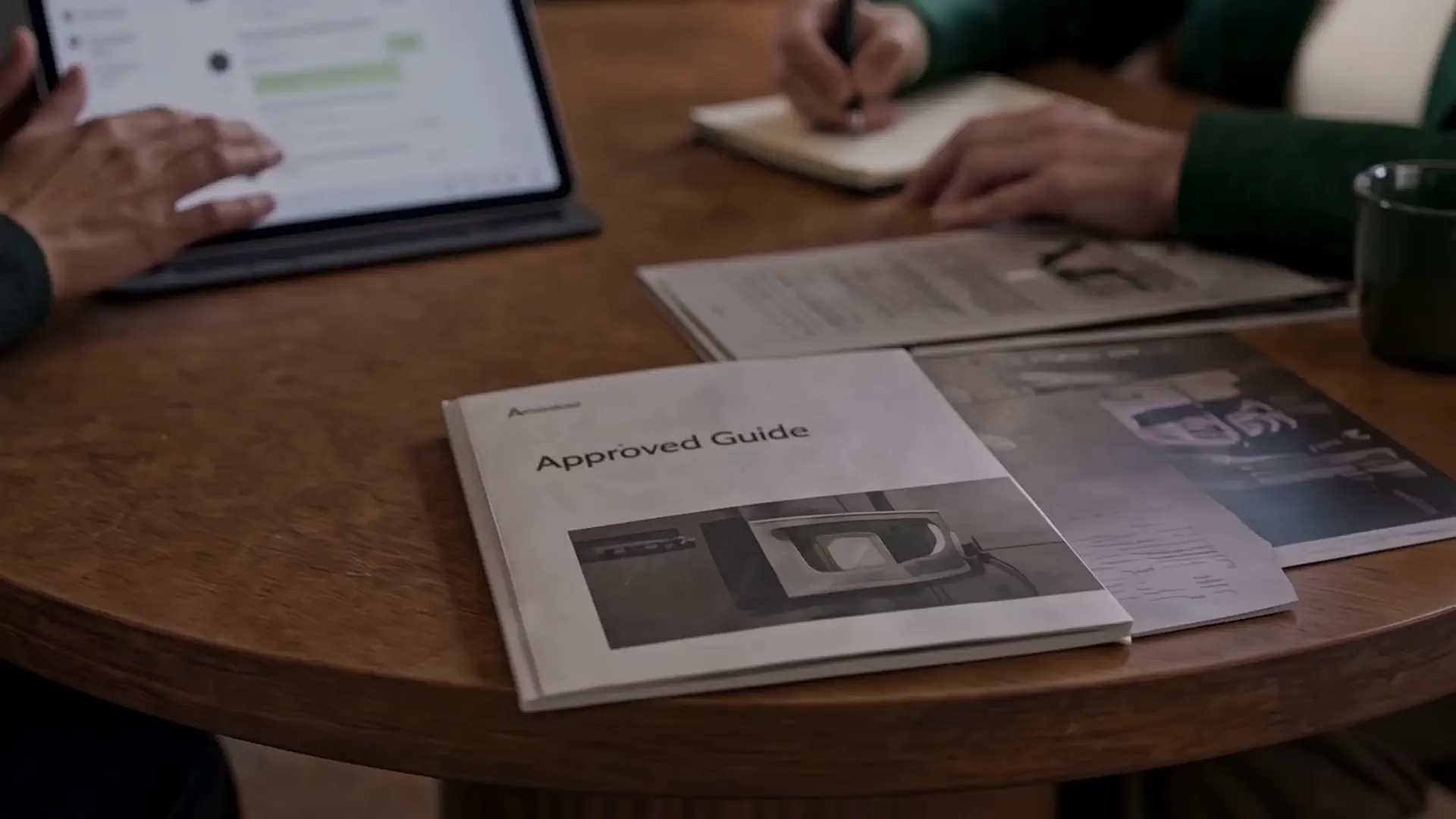
Illustrative example, synthetic, not a client result: a service request sits outside policy. The agent checks the approved evidence, separates facts from unknowns, drafts a reply without promising approval, and escalates the exception to a person.
A scoped project replaces the synthetic dataset with your systems, your records and your permissions. It tests against real exceptions, trains your team, documents the workflow, and names the owner who runs it on Monday.
Customer-facing drafts and consequential actions wait for explicit human approval before they act.
Paloren uses the Toy Test questions before anything is called a product:
A build that cannot answer all five is still a demonstration, not a product.
First implementation projects most often land from $25,000 to $100,000 over 2 to 10 weeks. Company brain projects run from $60,000, typically up to $150,000, over 8 to 12 weeks.
Other work is quoted after scoping. Prices are indicative until scoped, USD and excluding tax.
Tell us what you'd like to change: Tell us what you'd like to change.
Choose the synthetic example that matches the workflow you want to inspect.
Look for citations, permission behavior, conflicts and the human decision point.
Ask for a scoped estimate when the pattern is worth funding in your business.
No. Alder Service and Supply is fictional, and Northstar Facilities is a fictional account inside the synthetic dataset. Every source record and price is illustrative.
No. Paloren has no published client case studies, client results or client reviews. These are synthetic demonstrations used to show a mechanism.
A real project uses your systems, records and permissions, tests against real exceptions, trains the team, documents the workflow and names the owner who runs it after launch.
First implementation projects most often land from $25,000 to $100,000 over 2 to 10 weeks. Company brain projects run from $60,000, typically up to $150,000. Other work is quoted after scoping, and prices are indicative until scoped.

Which workflow would you like to make dependable?
Talk about a scoped project